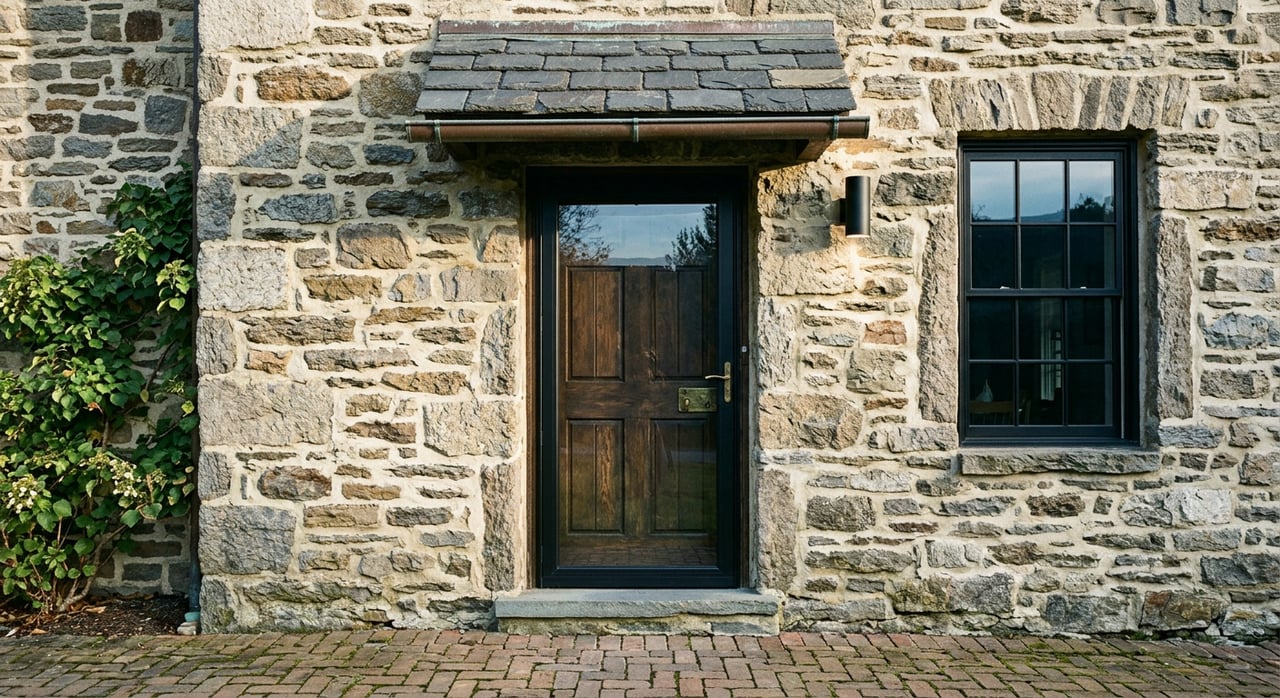
Choosing between a centuries-old stone farmhouse and a shiny new build in Bucks County can feel like heart vs. head. You may love original beams and walk-to-town charm, but you also want predictable costs and modern comfort. In this guide, you’ll learn how historic homes and new construction stack up on character, maintenance, energy use, rules, and resale planning so you can move forward with confidence. Let’s dive in.
What you love about historic homes
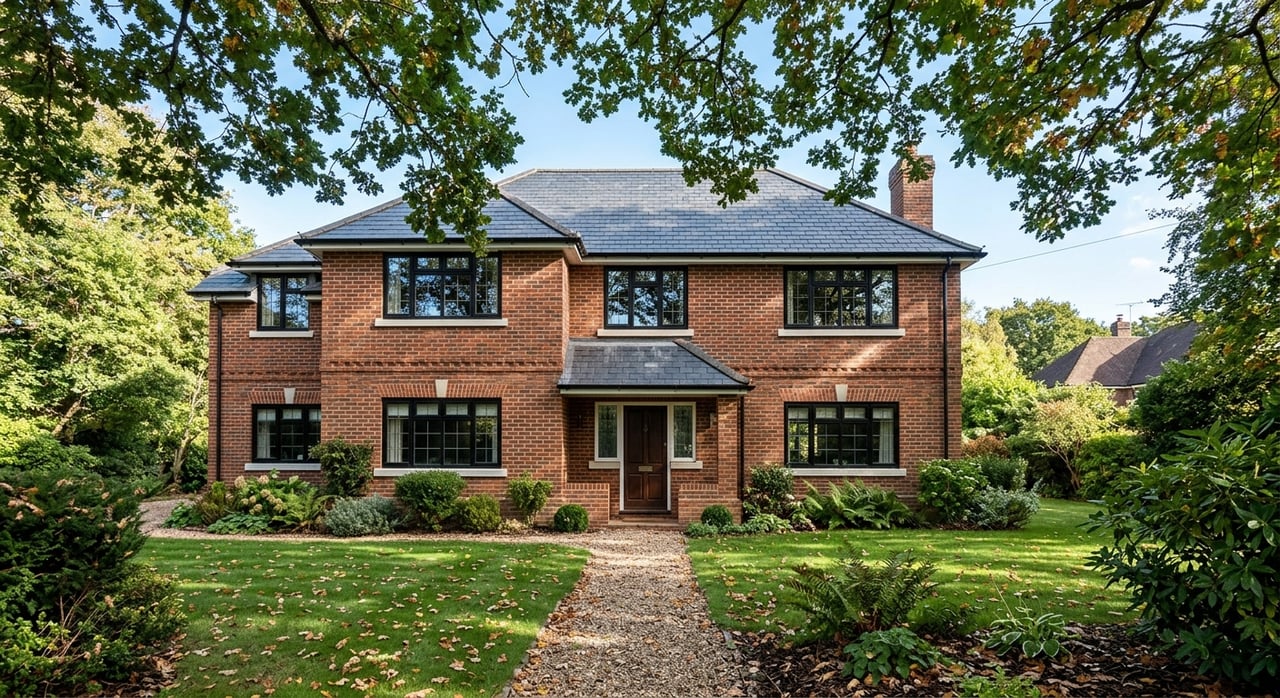
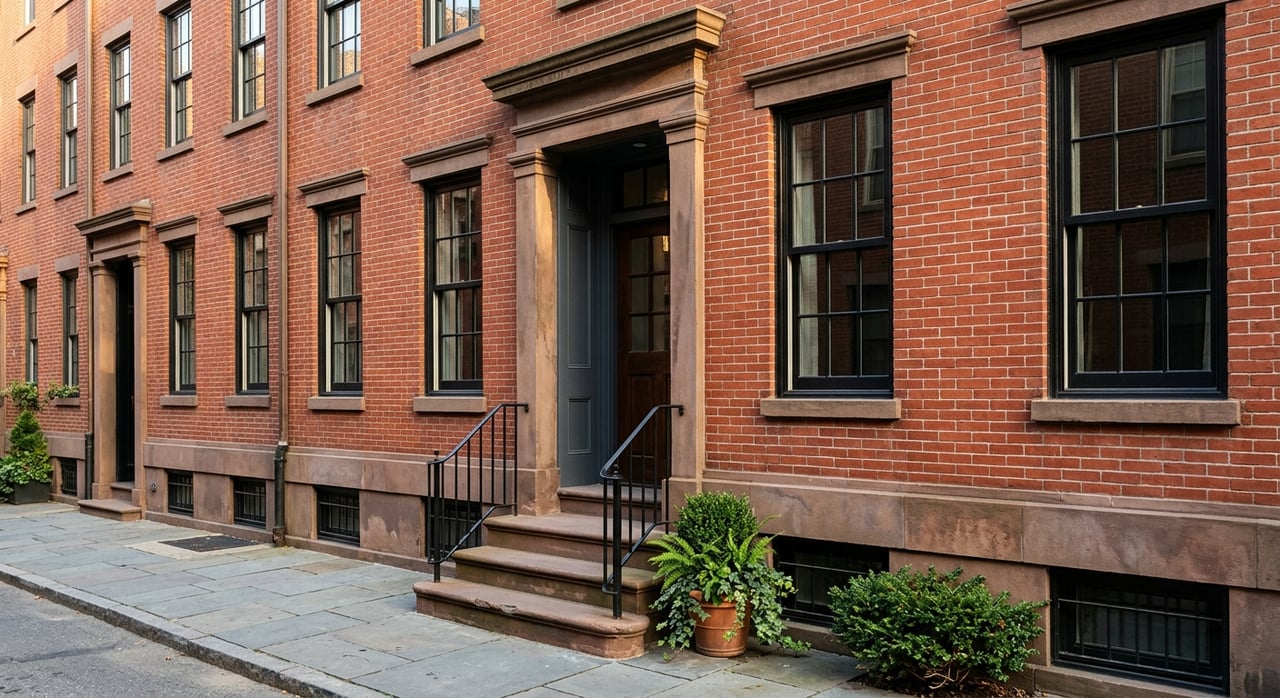
Bucks County is rich with 18th and 19th century architecture in places like Doylestown, New Hope, Yardley, and Bristol. Buyers are often drawn to original woodwork, stone or brick masonry, fireplaces, and unique floor plans. The county’s landmarks, such as the Mercer Museum and Fonthill, highlight the area’s historic fabric and craftsmanship you still see across local neighborhoods. You will likely find mature trees, established streetscapes, and a sense of continuity you cannot build overnight.
Historic charm comes with stewardship. Expect more frequent inspections, careful contractors, and a contingency budget to protect significant features while modernizing the home. If you enjoy the process of preserving character and making thoughtful upgrades, a historic property can be deeply rewarding.
Mercer Museum and Fonthill context
What you get with new construction
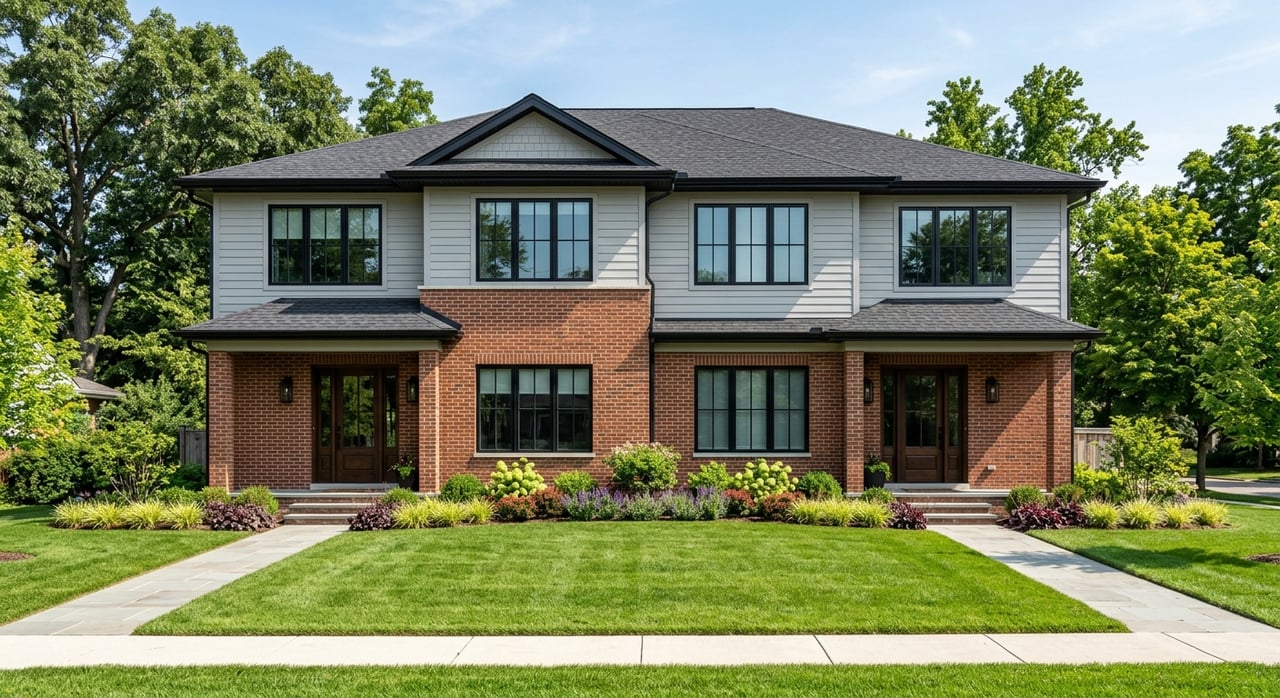
New builds deliver predictable systems, current electrical panels, modern plumbing, and tight building envelopes. They are built to today’s energy codes for our mid-Atlantic climate, which helps comfort and operating costs. Many buyers appreciate the peace of mind that comes from builder warranties and easier appraisals and insurance.
The tradeoff is emotional. New homes rarely match the architectural originality or setting of a centuries-old house near a historic center. If your priority is lower near-term risk, new construction is a strong fit.
Energy code context for our climate
Cost, energy, and maintenance
Historic homes can cost more to operate until you complete targeted energy upgrades like insulation, air sealing, and HVAC improvements. New builds often start with lower utility costs because of modern materials and code-driven efficiency. Your utility provider also matters. Parts of Bucks are served by PECO while others are covered by different utilities, and programs or rebates vary.
A practical rule of thumb is to set an annual maintenance reserve. Many advisors suggest 1 to 4 percent of a home’s value, with older homes toward the higher end. This cushions you for system replacements and unplanned repairs.
Renovation realities in Bucks County historic homes
Plan for common inspection items with older properties:
- Lead-based paint in homes built before 1978. Renovations that disturb paint must follow EPA RRP lead-safe rules. Work with certified contractors and build this into timelines and budgets.
- Outdated wiring like knob-and-tube or cloth-insulated conductors. Some insurers and lenders require replacement or a licensed electrician’s sign-off. Rewiring costs vary by size and finish level.
- Asbestos in some legacy materials. Intact materials are often not an immediate hazard, but testing and abatement affect scope and contractor selection.
- Masonry, chimneys, and stone foundations may need repointing, waterproofing, or structural evaluation.
- Galvanized plumbing, older sewer lines, and aging HVAC or water heaters are common replacement items.
Links for planning and safety:
- EPA RRP lead-safe rules
- Insurance issues with old wiring
- EPA asbestos overview
- EPA radon testing guidance
Rules and approvals in historic districts
Several Bucks County boroughs use Historic Architectural Review Boards (HARB) or local design guidelines for exterior work like windows, roofing, porches, and paint. A local review process can add time and cost, but it helps protect the quality of historic streets. Always confirm the property’s borough or township and whether it sits in a local district before you write an offer.
Also verify the property’s utility provider early. Electric providers can differ by municipality, and incentive programs or net-metering rules vary by utility.
Financing and incentives to know
If you plan a major renovation, explore options like FHA 203(k) or Fannie Mae HomeStyle Renovation with your lender. For incentives, federal homeowner energy tax credits changed in 2025. Legislation accelerated the end dates for several residential energy credits, and many expenditures placed in service after December 31, 2025 are not eligible. Confirm eligibility year by year with a tax professional or official IRS guidance.
Historic rehabilitation tax credits generally apply to certified, income-producing properties, not most owner-occupied single-family homes. Pennsylvania has state-level resources, but many are also designed for income-producing projects. Review program rules carefully.
Decision framework: Which is right for you?
Choose a historic home if you:
- Value one-of-a-kind architecture and original materials.
- Are ready for inspections, phased upgrades, and preservation-minded contractors.
- Want proximity to historic borough centers and established streetscapes.
Choose a new build if you:
- Prefer predictable systems, warranties, and lower near-term maintenance.
- Want modern layouts, energy performance, and easier insurance and lending.
- Value a turnkey move-in with fewer surprises.
If you are shopping across Bucks, Montgomery, and Chester counties, the same tradeoffs apply. The right choice comes down to your appetite for stewardship versus your desire for operational predictability.
Pre-offer checklist for older homes
Use this quick list before you commit:
- Confirm the municipality and whether the home is in a local historic district or under HARB review. If yes, request guidelines and recent approvals. See an example from New Hope.
- Assume pre-1978 paint and plan for lead-safe practices until testing says otherwise. EPA RRP rules.
- Verify electric, gas, water, and sewer providers since programs vary by utility. PECO overview.
- Ask for renovation and permit records from the seller.
- Build an annual maintenance reserve. Many advisors suggest about 1 to 4 percent of the home’s value. Budget reference.
Recommended inspections and tests:
- General home inspection
- Licensed electrical inspection for knob-and-tube and panel capacity
- Masonry and chimney evaluation
- Foundation review and structural engineering if needed
- HVAC evaluation and efficiency check
- Plumbing inspection and sewer line review
- Radon test EPA guidance
- Lead paint testing if pre-1978 EPA lead-safe rules
- Asbestos screening where materials are suspect EPA asbestos overview
- Termite and pest inspection; well and septic where relevant
Key system lifespans to plan for
- Roofs (asphalt shingles): about 15 to 30 years depending on material and climate. Roof lifespan guide
- Furnaces and central HVAC: often 15 to 20 years with proper maintenance. HVAC lifespan overview
- Water heaters (tank): typically 8 to 12 years. Common water heater issues and timing
- Historic windows can perform well if maintained. Consider restoration with interior or exterior storms before full replacement.
Work with a local advisor
Whether you are leaning toward a stone farmhouse in Doylestown or a turnkey new build in a newer subdivision, the best next step is a plan that matches your budget, timeline, and tolerance for projects. If you want clear numbers, a focused search, and negotiation that protects your interests, connect with Gregg Kravitz to schedule a free consultation.
FAQs
What inspections are most important for Bucks County historic homes?
- Prioritize electrical, masonry and chimney, foundation, HVAC, plumbing and sewer, radon, and lead testing, with asbestos screening if suspect materials are present.
How do New Hope historic district rules affect exterior changes?
- Exterior work like windows, roofing, porches, and paint may require HARB review and approvals, which can add time and cost but protect neighborhood context; check the borough’s design guidelines.
Are federal energy tax credits still available for home upgrades after 2025?
- Many residential energy credits were modified, and several expenditures placed in service after December 31, 2025 are not eligible; verify current rules with the IRS summary and a tax professional.
Which electric utility serves my Bucks County property and why does it matter?
- Parts of the county are served by PECO while others have different providers, and rebates plus net-metering policies vary; confirm the provider early with sources like PECO program details.
What annual maintenance budget should I plan for an older home?
- Many advisors suggest reserving roughly 1 to 4 percent of a home’s value each year, with older or larger homes at the higher end; see this budget reference.
How long do major systems last in this climate?
- Plan on about 15 to 30 years for asphalt shingle roofs, 15 to 20 years for furnaces or central HVAC, and 8 to 12 years for tank water heaters; see lifespan guides for roofs, HVAC, and water heaters.