Buying in Delaware County can feel like a race you did not sign up for. Homes are still moving in a seller-leaning market, and strong listings can attract quick attention. If you want to compete without making reckless decisions, you need a plan that is fast, informed, and realistic. Here’s how to put yourself in a stronger position before you write an offer.
Understand the Delaware County market
Delaware County remains competitive based on the latest March 2026 market snapshots. A Bright MLS and Tri-County Suburban REALTORS report showed 576 new listings, 558 new pendings, 619 active listings, a median sold price of $342,910, 38 average days on market, and sellers receiving 98.4% of original list price on average. Realtor.com also classified the county as a seller’s market, with homes selling around asking price and a 29-day median time on market.
The big takeaway is simple: you should expect competition and be ready to move quickly. That does not mean every home will have the same level of demand, but it does mean hesitation can cost you.
Not every segment moves the same
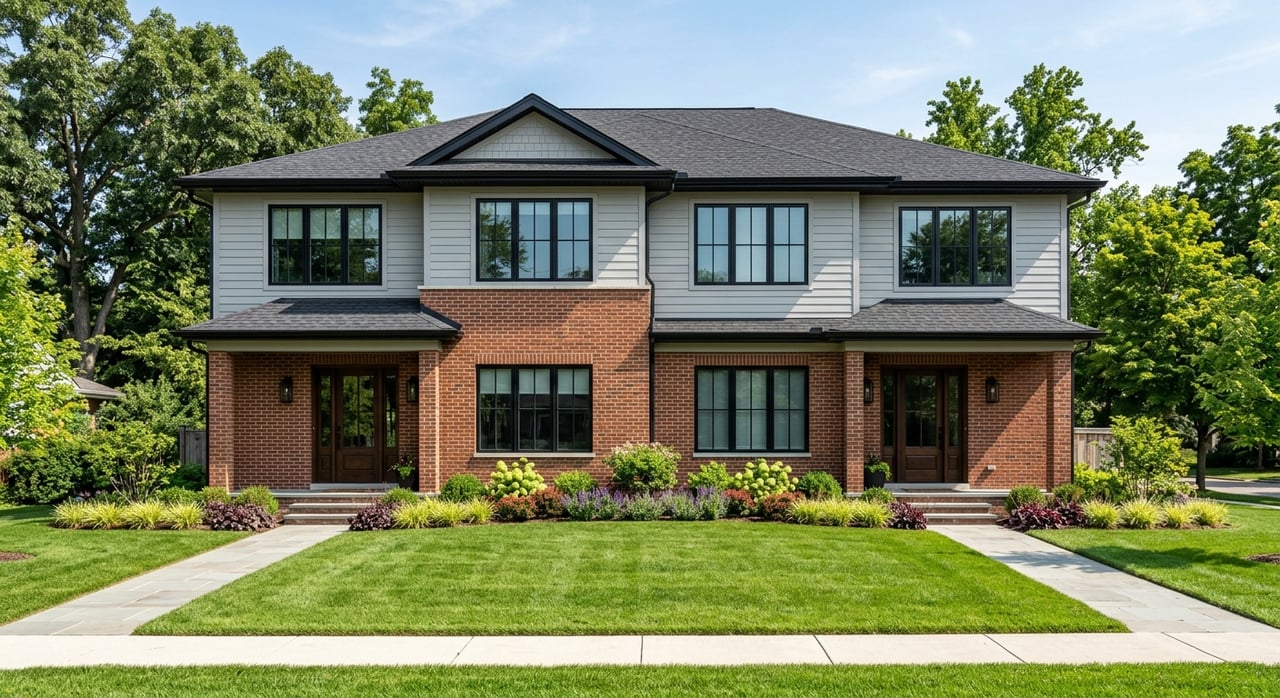
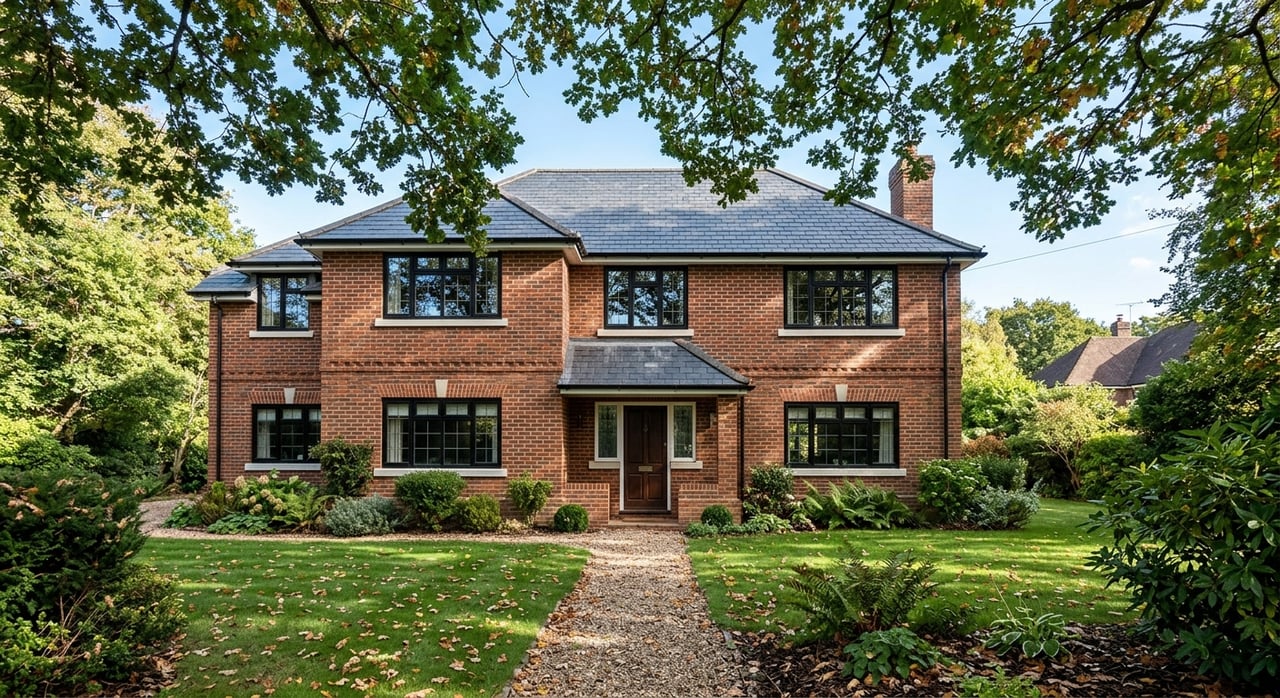
Delaware County is not one uniform market. In the same Bright MLS report, detached homes had a median sold price of $530,000 and sold in 29 days on average. Attached homes sold at a lower median price point and took longer, with attached properties at $250,000 and 46 days on market, and townhouses around $255,000 with 44 days on market.
That matters because your strategy should match the type of home you are targeting. If you are shopping for detached homes in a popular price band, you may need to act faster and write cleaner terms than you would for a townhouse or other attached property.
Get financing fully lined up
One of the easiest ways to weaken your offer is to start shopping before your financing is truly ready. A preapproval letter shows a lender’s tentative willingness to lend up to a certain amount, and sellers often want to see one before they accept an offer.
Just remember that not all preapprovals are equal. The Consumer Financial Protection Bureau notes that lenders use the terms prequalification and preapproval differently, and preapproval letters often expire in 30 to 60 days. You should know exactly what documents your lender reviewed and when your letter needs to be refreshed.
Know your real budget, not just your max
A competitive buyer knows the monthly payment they can live with, not just the biggest number on a lender letter. That means factoring in property taxes, possible HOA dues, and your full cash-to-close before you start making offers.
This is especially important in Delaware County because transfer taxes affect your closing costs. According to the Delaware County Recorder of Deeds, transfer tax is generally 1% to the state and 1% to the local municipality, with some local exceptions including Radnor Township at 1.5%, Upper Darby Township at 1.5%, Upper Providence Township at 2%, and Chester City at 1.5%.
Shop lenders early
You do not need to wait until you are under contract to compare financing options. The CFPB says you can request Loan Estimates without a signed purchase agreement, and lenders must provide them within three business days after receiving the required information.
The same CFPB guidance also notes that multiple mortgage credit checks within a 45-day window count as a single inquiry for credit-reporting purposes. In practical terms, that means you can compare lenders early and choose the one that gives you the best mix of rate, fees, and responsiveness.
Write an offer that feels solid
Price matters, but it is not the only thing sellers notice. In a competitive market, sellers also want confidence that your deal will hold together and close on time.
That means your offer should feel organized, serious, and easy to understand. Strong financing, clear deadlines, and fast communication can all make a difference.
Use earnest money strategically
Earnest money is a good-faith deposit made after a contract is signed. The CFPB explains that it can be applied to your down payment or closing costs if the sale closes, but you may lose it if you do not perform in good faith under the contract.
For sellers, earnest money can signal commitment. For you, it should be meaningful enough to show seriousness but still fit your comfort level and overall cash position.
Keep protections, but reduce friction
You do not need to strip out every safeguard to compete. In fact, CFPB guidance supports using financing and inspection contingencies so you are not forced to close if your loan falls through or major issues are uncovered.
In a market like Delaware County, the smarter play is often to keep core protections while tightening timelines and avoiding unnecessary back-and-forth. A clean offer is not just aggressive. It is clear, realistic, and prepared.
Be smart about inspections in Pennsylvania
In Pennsylvania, sellers of most residential properties must disclose known material defects before the agreement of transfer is signed. The required disclosure form covers a wide range of topics, including the roof, basement, structural issues, plumbing, electrical systems, heating and air conditioning, water and sewage systems, homeowners’ associations, and legal issues affecting title or use.
That disclosure is important, but it is not a substitute for an inspection. It tells you what the seller knows. It does not replace your own due diligence.
Know what a home inspection does and does not cover
Pennsylvania law defines a home inspection as a noninvasive visual examination of certain structural, mechanical, electrical, and plumbing components. It is based on visible and apparent conditions and is not intended to identify concealed defects or serve as an appraisal.
The law also excludes some specialty issues, including wood-destroying insects, septic systems, pools and spas, air and water quality concerns, pollutants, toxic chemicals, and environmental hazards. Depending on the property, you may need additional inspections to get a fuller picture.
Decide your inspection limits before you offer
A rushed inspection decision can create problems later. Before you submit an offer, decide what types of findings would lead you to ask for repairs, request a credit, or walk away.
There is another Pennsylvania-specific point to keep in mind: the law says a seller may request and receive a copy of the home inspection report without charge from the person for whom it was prepared. In other words, you should assume the report may not stay private.
Speed and communication matter
In a fast-moving market, responsiveness is a competitive advantage. With countywide timing running roughly 29 to 46 days depending on the source and property type, slow decisions can put you behind other buyers.
That is why preparation matters so much. When the right home hits the market, you want to be ready to tour quickly, confirm numbers with your lender, and make a decision without scrambling.
Build a faster decision process
You do not need to be impulsive, but you do need to be decisive. That starts with doing the homework early so the final choice is easier when a good opportunity appears.
A practical buyer game plan looks like this:
- Refresh your preapproval before serious house hunting
- Confirm your monthly budget and cash-to-close
- Understand transfer taxes for the municipality you are targeting
- Compare lenders before you are under pressure
- Review disclosures carefully and plan your inspection approach
- Be ready to respond quickly when a strong home comes up
Match the strategy to the property
A detached home in a popular Delaware County area may require a different offer strategy than a townhouse or attached home with a longer average time on market. You do not want to overplay your hand on a listing with less competition, and you do not want to underprepare on a listing that is likely to move fast.
This is where local knowledge and disciplined advice matter. The right approach depends on the home, the price point, the timing, and how the listing is positioned.
Compete with clarity, not chaos
The buyers who tend to win in Delaware County are not always the ones making the wildest offers. Often, they are the buyers who know their numbers, communicate clearly, and make it easy for a seller to trust the deal.
That is the real goal. You want an offer that is competitive enough to get attention and smart enough to protect your interests. If you want a practical strategy for buying in Delaware County’s current market, Gregg Kravitz can help you build a plan that fits your budget, timeline, and risk tolerance.
FAQs
What makes Delaware County competitive for buyers right now?
- March 2026 market data showed seller-leaning conditions, with homes selling near asking price on average and moving in roughly 29 to 38 days countywide, depending on the source.
Why does a preapproval matter for Delaware County buyers?
- A preapproval letter shows a lender’s tentative willingness to lend up to a set amount, and sellers often expect to see one before accepting an offer.
How do transfer taxes affect Delaware County homebuyers?
- Buyers should plan for transfer tax costs, which are generally 1% to the state and 1% to the local municipality, with some municipal exceptions that increase the local rate.
Should Delaware County buyers waive a home inspection?
- Pennsylvania law supports the value of inspections, and a safer strategy is often to keep an inspection contingency while deciding in advance what issues would justify repairs, credits, or walking away.
Are all Delaware County homes equally competitive?
- No. March 2026 data showed detached homes moving faster on average than attached properties and townhouses, so your offer strategy should match the property type and price point.