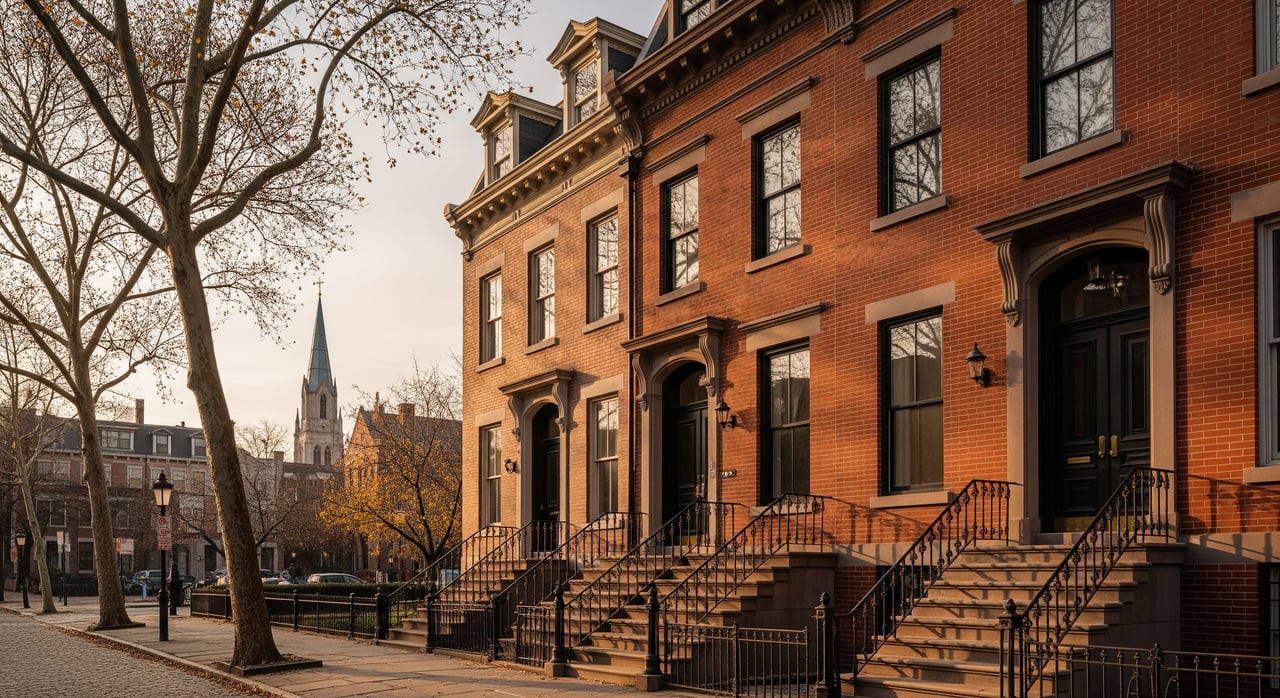
Thinking about house hacking in Philadelphia but stuck between a duplex and a triplex? You are not alone. You want to lower your housing costs, build equity faster, and keep your options open. The right choice comes down to financing, realistic rents, city rules, and how you want to live day to day. This guide breaks it down so you can make a confident decision and move forward. Let’s dive in.
Duplex vs. triplex at a glance
A duplex gives you two units. A triplex gives you three. The unit count affects your down payment options, potential rental income, management workload, and privacy.
- Duplex strengths: simpler to manage, often easier to finance and insure, better privacy if you live in one unit.
- Duplex tradeoffs: one vacancy means a larger hit to income, fewer units to spread expenses.
- Triplex strengths: more rental income potential and diversification, vacancy hurts less as a share of total rent.
- Triplex tradeoffs: more complex management, some loan programs require higher down payments, potentially less privacy depending on layout.
If you want a simpler start with house hacking, a duplex can be a great entry point. If you are comfortable with more moving parts for higher income potential, a triplex may fit better.
Financing rules for 2 to 4 units
Owner-occupant mortgages allow you to buy 2 to 4 unit properties if you live in one unit as your primary residence. Minimum down payments and underwriting can change with the number of units and your credit profile.
FHA owner-occupied financing
FHA insures loans on up to four units when you occupy one unit. Many buyers qualify with a minimum 3.5 percent down payment, subject to credit and FHA rules. Review current details in the FHA resources from HUD and confirm specifics with an FHA-approved lender.
Conventional loans: unit count matters
Conforming conventional loans allow 2 to 4 unit primary residences, but lenders often increase minimum down payments as unit count rises. Many lenders use common conventions like higher minimums for 2 units and even higher for 3 to 4 units. Pricing, mortgage insurance, and rental income treatment vary by product and by lender overlays. Ask lenders to spell out down payment, required reserves, and how they will count rental income.
VA loans for eligible buyers
Eligible veterans and active-duty borrowers can use VA loans on 1 to 4 units when they occupy one unit. VA frequently permits zero down, subject to appraisal and lender requirements. Learn more from the VA home loan program.
State and local assistance
The Pennsylvania Housing Finance Agency offers homebuyer programs and down payment assistance that may work with 2 to 4 unit purchases when program rules allow. Income limits, property eligibility, and rental income rules vary. Confirm your scenario with PHFA and an approved lender.
How lenders count rental income
Lenders often consider a portion of market rent from the non-owner units, commonly around 75 percent, to offset your payment for qualification. Policies vary by lender and program, and some require reserves and documentation like leases or market rent reports. If you want independent help comparing mortgage types, review Consumer Financial Protection Bureau guidance, then consult lenders who know multi-unit owner-occupied loans.
Cash flow framework for Philly multis
You need a simple, conservative model to evaluate affordability and risk. Use these core formulas:
- Gross Scheduled Rent (GSR) = sum of full rent for each unit
- Effective Gross Income (EGI) = GSR × (1 − vacancy rate) + other income
- Net Operating Income (NOI) = EGI − operating expenses, exclude mortgage
- Debt service = monthly mortgage × 12
- Cash flow before tax = NOI − debt service
- Cash-on-cash return = annual cash flow ÷ total cash invested
Build three scenarios
Run conservative, base, and optimistic cases. In a conservative case, lower your rent assumptions and raise vacancy and expenses. In an optimistic case, use tighter vacancy and stronger rents, but keep it realistic.
Unit mix and rent realism
Unit mix drives rent more than the label of duplex or triplex. Typical mixes include 2 bedroom and 1 bedroom combinations. Verify market rent with multiple sources like comparable lease listings and property managers. To stay conservative, consider using 90 to 95 percent of advertised rent and apply a reasonable vacancy allowance.
Expenses and reserves
For small multis, a common starting point is 35 to 50 percent of gross rent for operating expenses. This includes property taxes, insurance, repairs, common utilities, and management if you outsource. Add a capital expenditure reserve of roughly 5 to 10 percent of gross rent, or a fixed monthly amount per unit, to handle big items over time.
Utilities and metering
Separate gas and electric meters simplify your budget and can lift rentability. If utilities are not separately metered, budget for owner-paid utilities or use a clear billing arrangement. Factor this into your expense ratio and your cash flow scenarios.
Philadelphia regulations you must plan for
Buying the right property means verifying it is legal, safe, and financeable. Philadelphia requires specific licenses, inspections, and zoning compliance.
Rental license and inspections
Philadelphia requires rental licenses and compliance with property maintenance codes for landlords. Expect rules on smoke and carbon monoxide detectors and additional lead safety requirements for pre-1978 properties. Review process steps on the Philadelphia Department of Licenses and Inspections website.
Zoning and legal unit count
Confirm that the number of units is legal for the property’s zoning. Converting a single-family home into multiple units can require permits, inspections, and sometimes zoning approvals. Start with the city’s Philadelphia permits and zoning resources, then consult a contractor or architect before planning any changes.
Lead safety and tenant habitability
For pre-1978 properties, Philadelphia and federal rules require lead safety disclosures and, in some cases, certifications before renting to households with young children. Build time and cost into your plan to meet safety standards and pass any required inspections.
Short-term rentals
Short-term rental activity requires specific licensing and adherence to city rules that vary by property type and location. If you plan to use a unit for short-term stays, review the relevant city requirements and confirm compliance before closing.
Pre-purchase steps to verify compliance
- Pull the L&I record for open violations, permits, and inspection history.
- Confirm legal unit count and whether any conversions were permitted.
- Ask your lender or appraiser about repairs that could affect loan approval.
- If you need added guidance, consider contacting HUD-approved housing counseling agencies for education on landlord responsibilities.
Livability and management tradeoffs
Privacy, layout, and day-to-day living
In a duplex, living next to a single neighbor can feel more private. A triplex may place you above or below two households, which can mean more sound and more coordination. Layout features like separate entrances, private outdoor space, in-unit laundry, and parking can boost rentability and quality of life.
Tenant mix and management
A duplex means one lease to manage besides your own. A triplex adds another tenant relationship and more coordination. Clear house rules, strong screening consistent with fair housing laws, and well-structured leases reduce stress.
Resale and exit strategy
Appraisers and buyers rely on neighborhood comps for multi-unit values. Some triplexes appeal more to investors than to owner-occupants, which can change your future buyer pool. Keep documentation of rents, expenses, and permits to support value when you sell.
Which one fits your plan?
Ask yourself these questions to choose confidently:
- Down payment: Do you want the widest path to low down payment programs, or can you bring more cash for a triplex if your lender requires it?
- Cash flow: Do two rents deliver your target payment reduction, or do you need three to diversify and boost income?
- Management: Are you comfortable managing two tenants, or do you prefer a simpler setup at first?
- Living experience: Which layout provides the privacy and space you want for the next few years?
If you want a simpler, smoother first house hack, a duplex often fits. If your priority is income potential and you can handle more complexity, a triplex can work well.
Due diligence checklist
- Get preapproved with a lender experienced in 2 to 4 unit owner-occupied loans.
- Confirm legal unit count and review L&I permits and violation history.
- Gather current leases, rent roll, and utility metering details.
- Order a full home inspection that flags habitability and safety issues.
- Model three scenarios using the cash flow formulas and disclose assumptions.
- Confirm city rental licensing, lead rules, and any zoning or use approvals.
- Estimate annual operating expenses and set aside adequate reserves.
Ready to compare specific properties and run the numbers with neighborhood comps? Reach out for data-driven guidance, lender introductions, and a clear path to closing. Connect with Gregg Kravitz to schedule a free consultation.
FAQs
Can you buy a duplex or triplex as your primary home in Philadelphia?
- Yes, common programs like FHA, VA, and conventional loans allow 2 to 4 unit properties when you live in one unit, with product-specific rules and underwriting.
How much down payment is typical for duplex vs. triplex financing?
- It varies by lender and program; FHA may allow as low as 3.5 percent for eligible borrowers, while conventional loans often require higher minimums as unit count increases, so confirm specifics during preapproval.
How do lenders count rental income from the other units?
- Many lenders count a portion of market rent, often around 75 percent, and may require reserves and verification like leases or market rent reports.
Do I need a rental license for a duplex or triplex in Philadelphia?
- Yes, landlords must obtain rental licenses and comply with city housing standards; review steps on the Philadelphia Department of Licenses and Inspections site.
How can I estimate realistic rents for a duplex or triplex?
- Use local comparable leases and multiple sources, then model conservatively by using slightly lower rent assumptions and factoring vacancy and operating expenses.
Where can I learn about buyer assistance for multi-unit homes in Pennsylvania?
- Explore the Pennsylvania Housing Finance Agency for programs and down payment assistance, and confirm multi-unit eligibility with approved lenders.
What should I know about zoning for multi-unit properties in Philly?
- Verify the legal unit count and check zoning and permits for any conversions using the city’s Philadelphia permits and zoning resources before you buy or renovate.